What Is Automotive Resin Flooring?
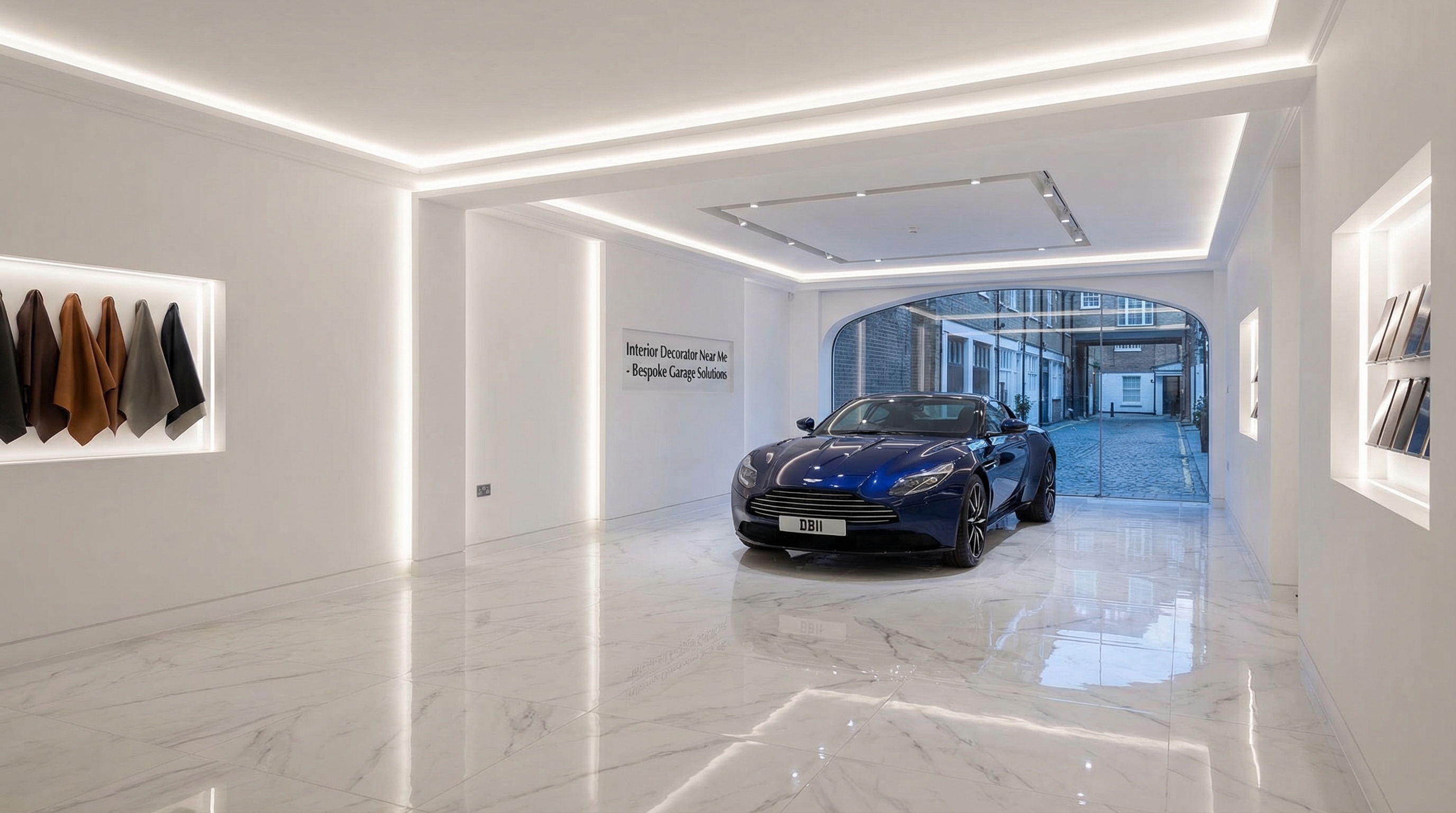
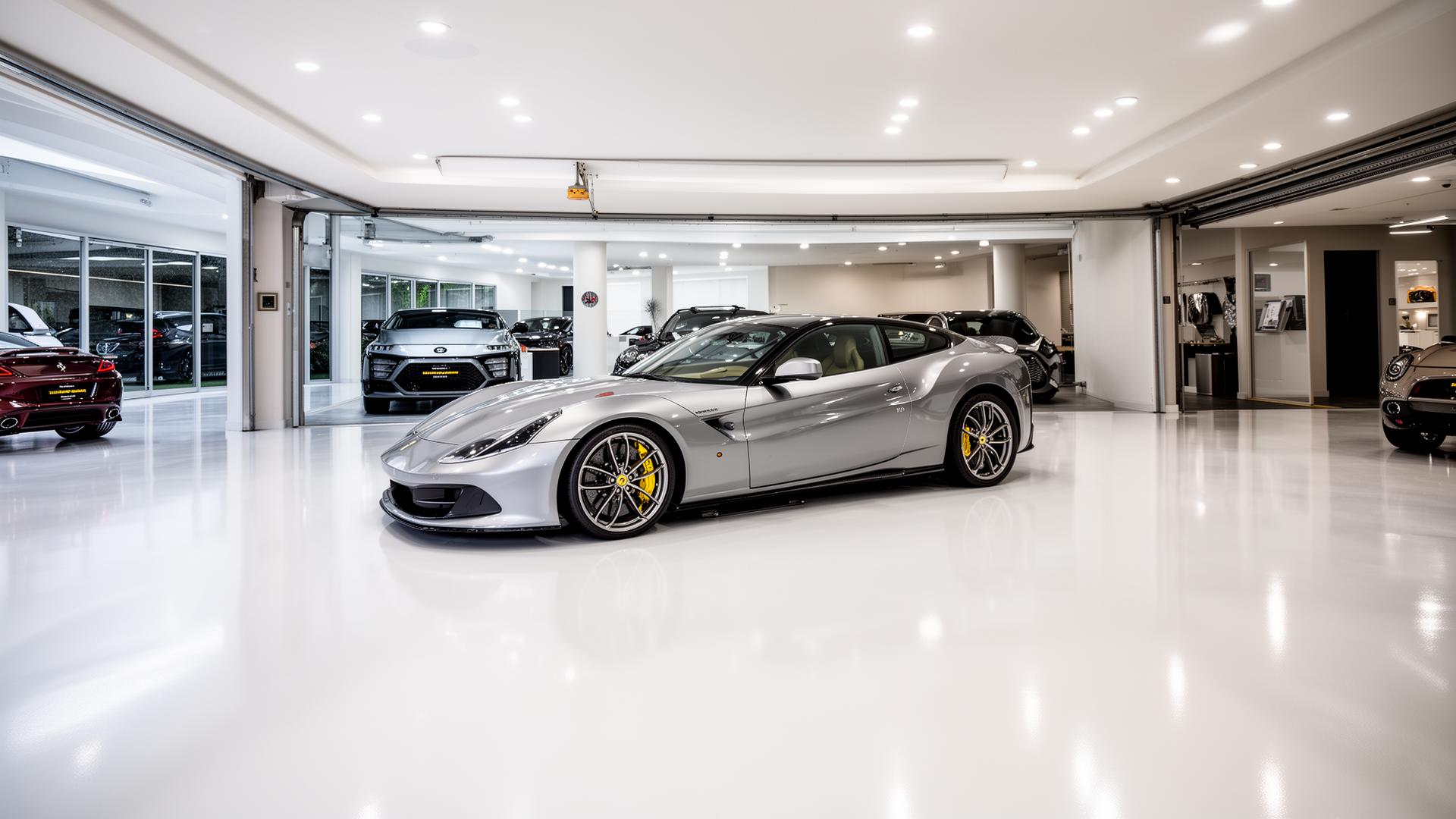
Automotive resin flooring is a specialist coating system engineered for environments where vehicles are stored, maintained or displayed. Unlike standard concrete or garage paint, automotive-grade resin creates a seamless, chemical-resistant surface that withstands hot tyres, oil drips, brake fluid and heavy foot traffic — all while looking stunning.
Whether you're coating a private car collection garage, a commercial MOT bay or a supercar showroom, automotive resin delivers unmatched durability and aesthetics.
Why Choose Resin Over Concrete or Paint?
| Feature | Bare Concrete | Garage Paint | Automotive Resin |
|---|---|---|---|
| Hot tyre resistance | ❌ Stains & pits | ❌ Peels within months | ✅ Fully resistant |
| Chemical resistance | ❌ Absorbs oil & fuel | ⚠️ Limited | ✅ Impervious |
| Lifespan | 5–10 years before cracking | 1–3 years | 15–25+ years |
| Aesthetics | Dull, dusty | Basic colours | Metallic, flake, marble effects |
| Cleaning | Difficult, porous | Moderate | Wipe clean in minutes |
| Slip resistance | Variable | Low when wet | Customisable anti-slip |
Concrete dusts, stains and cracks. Garage paint peels the moment a hot tyre touches it. Automotive resin is purpose-built for the demands of a vehicle environment.
Types of Automotive Resin Systems
1. Epoxy Resin (Autoresin)
The workhorse of automotive flooring. Epoxy provides exceptional adhesion, compressive strength and chemical resistance. Ideal for workshops, MOT bays and home garages where durability is paramount.
- Best for: Working garages, workshops, commercial units
- Thickness: 2–3 mm
- Cure time: 24–48 hours light traffic, 7 days full cure
2. Flake Epoxy (Auto-Flake)
Vinyl flakes broadcast into wet epoxy create a decorative, textured finish that hides imperfections and adds natural grip. Available in dozens of colour blends from subtle granite to bold racing livery styles.
- Best for: Home garages, car enthusiast spaces, detailing bays
- Thickness: 2–4 mm
- Cure time: 24–48 hours
3. Metallic Epoxy (Auto-Marble)
Metallic pigments swirled through clear epoxy create a one-of-a-kind marble or lava-flow effect. This is the showroom-grade finish chosen by supercar collectors and luxury dealerships.
- Best for: Showrooms, private collections, high-end garages
- Thickness: 2–3 mm
- Cure time: 48–72 hours
4. Polyurethane Topcoat (Auto-Comfort)
A flexible, UV-stable topcoat applied over epoxy for environments exposed to sunlight or temperature fluctuation. Essential for garages with large windows or south-facing doors.
- Best for: Garages with natural light, covered forecourts
- Added benefit: Enhanced scratch resistance
How Much Does Automotive Resin Flooring Cost?
Pricing depends on floor size, condition and system choice:
| System | Price Range (per m²) |
|---|---|
| Epoxy (Auto-Crete) | £45 – £65 |
| Flake Epoxy (Auto-Flake) | £55 – £80 |
| Metallic Epoxy (Auto-Marble) | £70 – £110 |
| Polyurethane topcoat (add-on) | £15 – £25 |
A typical single garage (15 m²) costs £675 – £1,200 for a professional epoxy install, while a double garage with metallic finish ranges £2,100 – £3,300.
Get an instant estimate — use our free quote builder to see pricing for your exact space.
The Installation Process
Professional automotive resin installation follows a strict 4-stage process:
Stage 1: Diamond Grinding
Industrial diamond grinders remove the top layer of concrete to create a clean, porous surface with a mechanical key. This is the single most important step — adhesion depends on it.
Stage 2: Crack & Joint Repair
Any cracks, expansion joints or damaged areas are filled with flexible epoxy filler to create a seamless substrate.
Stage 3: Resin Application
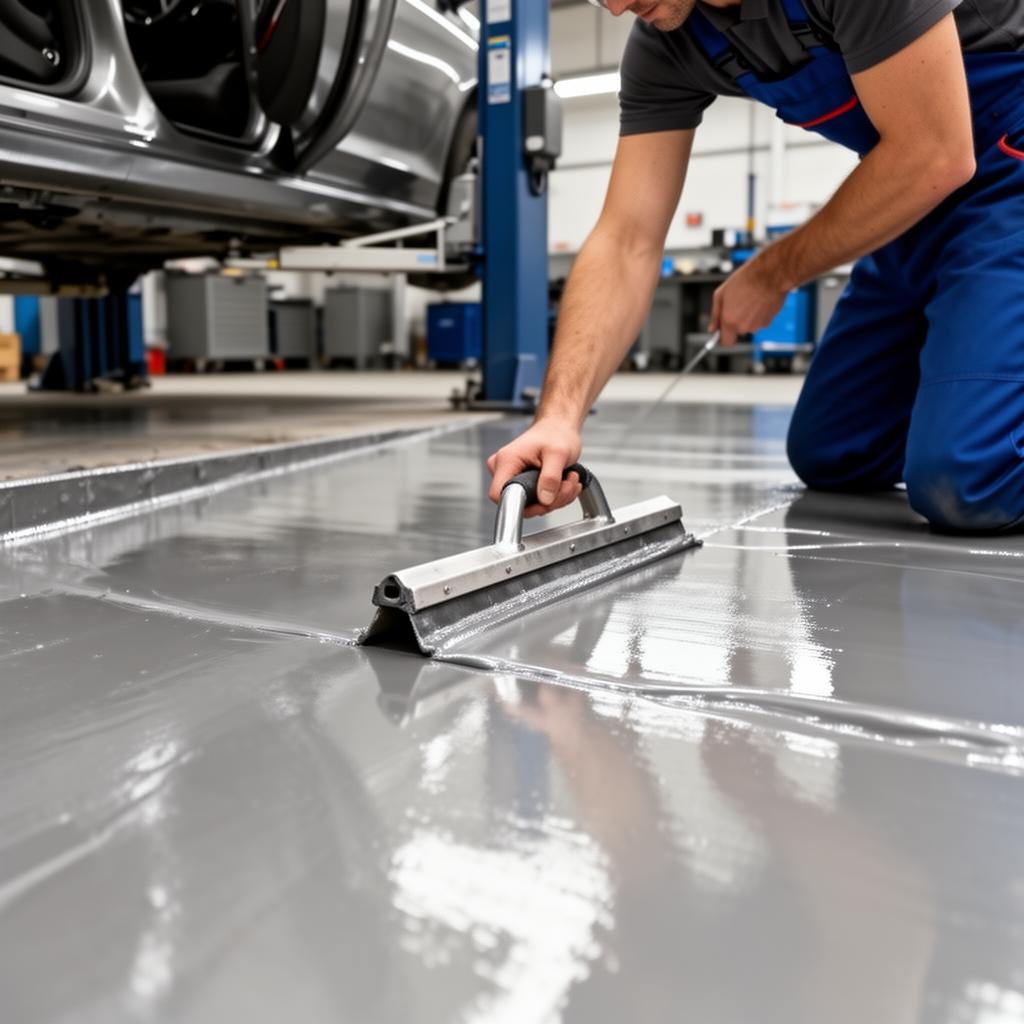
The chosen system is mixed on-site and applied using calibrated squeegees and spiked rollers to ensure uniform thickness and eliminate air bubbles.
Stage 4: Cure & Handover
The floor cures for 24–72 hours depending on the system. We conduct a final inspection, apply any anti-slip treatments, and hand over your space ready for vehicles.
Hot Tyre Resistance: Why It Matters
When you park a car after driving, tyre temperatures can exceed 80°C. Standard garage paint and cheap coatings soften at these temperatures, causing the tyre to literally bond to the surface and rip the coating away when you drive off.
Automotive-grade epoxy and polyurethane resins are formulated with hot tyre pickup resistance as a baseline requirement — not an afterthought. Every system we install is tested to withstand sustained tyre temperatures above 100°C without softening, peeling or discolouring.
Maintenance & Cleaning
One of the biggest advantages of automotive resin is how easy it is to maintain:
- Daily: Sweep or dust mop to remove grit
- Weekly: Damp mop with pH-neutral cleaner
- Spills: Wipe up oil, coolant or brake fluid immediately — they won't stain
- Annually: Light buff with a floor maintainer to restore gloss (optional)
No sealing, no waxing, no re-coating for 15+ years when properly installed.
Frequently Asked Questions
Is automotive resin flooring slippery?
Not when installed correctly. We offer multiple anti-slip aggregate options that maintain grip even when wet with oil or water, while keeping the surface easy to clean.
Can I install resin over existing paint or tiles?
Existing coatings must be fully removed by diamond grinding first. Resin bonds to prepared concrete, not to paint or tile adhesive. Attempting to coat over old paint is the number one cause of coating failure.
How long until I can park on it?
Light foot traffic: 24 hours. Vehicle traffic: 48–72 hours depending on system and temperature. Full chemical cure: 7 days.
Does it work with underfloor heating?
Yes. Resin flooring is an excellent conductor and works brilliantly with underfloor heating systems. We follow specific application protocols for heated substrates to prevent thermal shock.
Will it yellow in sunlight?
Standard epoxy can amber slightly with prolonged UV exposure. For garages with windows or natural light, we recommend a polyurethane topcoat (Auto-Comfort) which is fully UV-stable and maintains its colour indefinitely.
Ready to transform your automotive space? Get your free quote or call us on 020 8050 8861 to discuss your project with our team.